China just locked down entire cities over 7,000 cases of a 'mosquito virus'.

Mass quarantines. State media blackouts. Same playbook as COVID.

But this time it's something far worse than human to human transmission.

Here's why chikungunya could be the next pandemic: 🧵

1/15 https://t.co/v0r3dZxJUw

July 8, 2025: An imported chikungunya case was detected in Shunde District, Foshan City.

Within weeks, this single case triggered the largest mosquito-borne disease outbreak in China's modern history.

2/15 https://t.co/SA8Gtv7slB
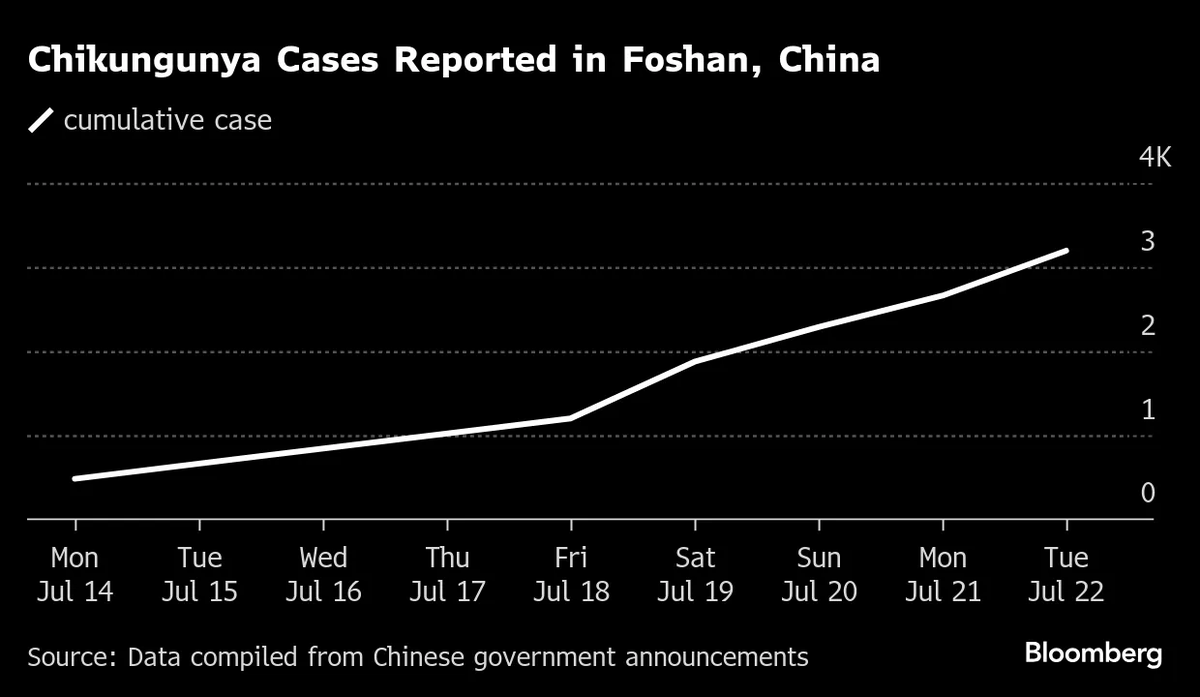
By late July, Foshan reported 3,000 cases in just one week.

It doubled the next week.

95% of all infections concentrated in this single city - a pattern that shows how explosive mosquito borne transmission can be.

3/15 https://t.co/NtWWOr3ENq
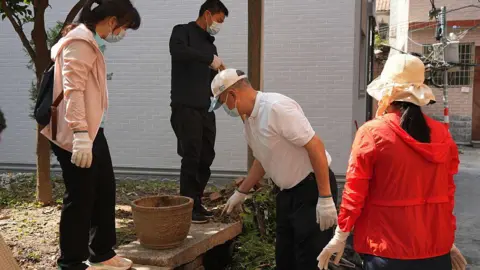
Patients are now hospitalized under mosquito nets, sleeping in isolation wards across Foshan hospitals.

The images from state broadcaster CCTV look eerily similar to early COVID isolation protocols, but with a crucial difference.

4/15 https://t.co/crQbzpTxXL

Unlike COVID's human-to-human spread, chikungunya requires mosquitoes as carriers.

An infected person gets bitten, the mosquito becomes a flying disease vector, then spreads it to others.

This creates containment challenges traditional pandemic responses can't handle.

5/15 https://t.co/qNY5a90KEr

Chinese Vice Premier Liu Guozhong called for "all-out efforts to secure a decisive victory" against the outbreak.

When China's top leadership uses war language for 7,000 mosquito cases, they understand something the world isn't grasping yet.

6/15 https://t.co/L0CD8vC3n3
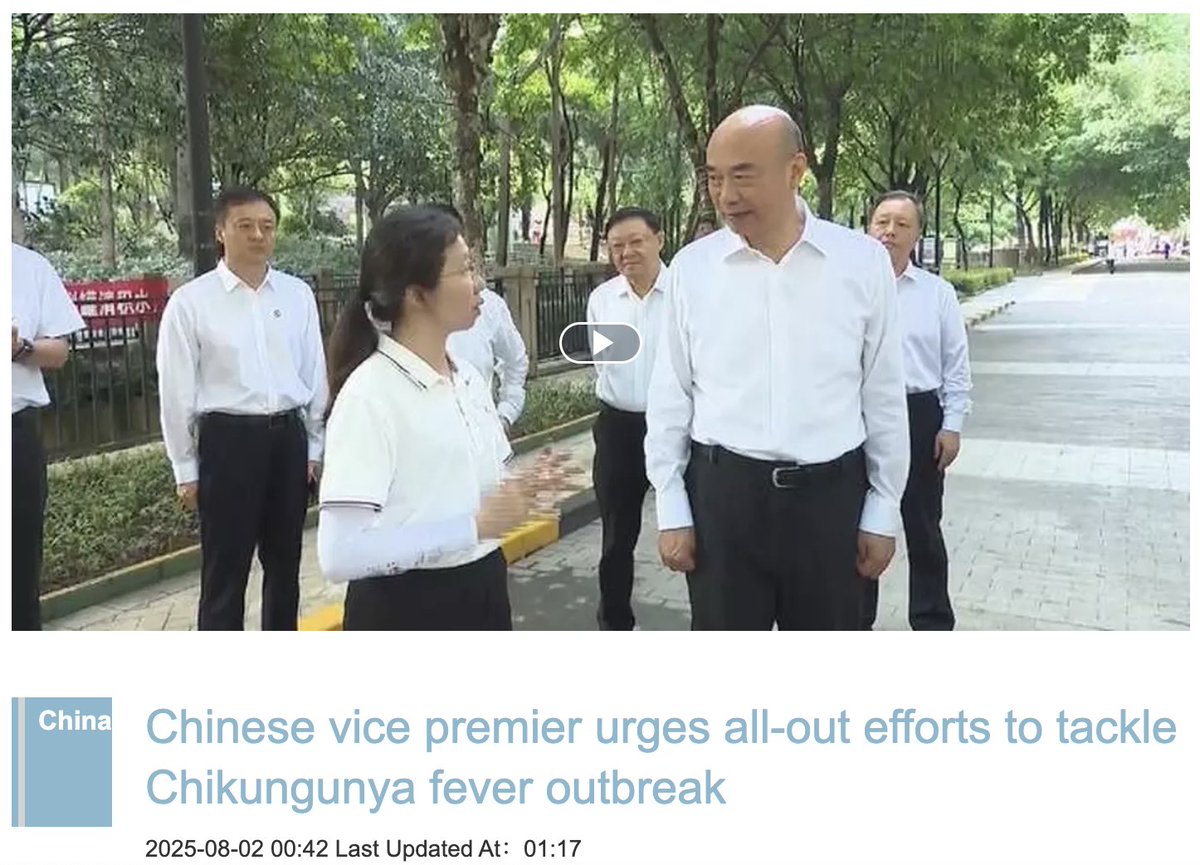
The response has been overwhelming: Deputy Director of China's National Health Commission led an on-site response team to Foshan.

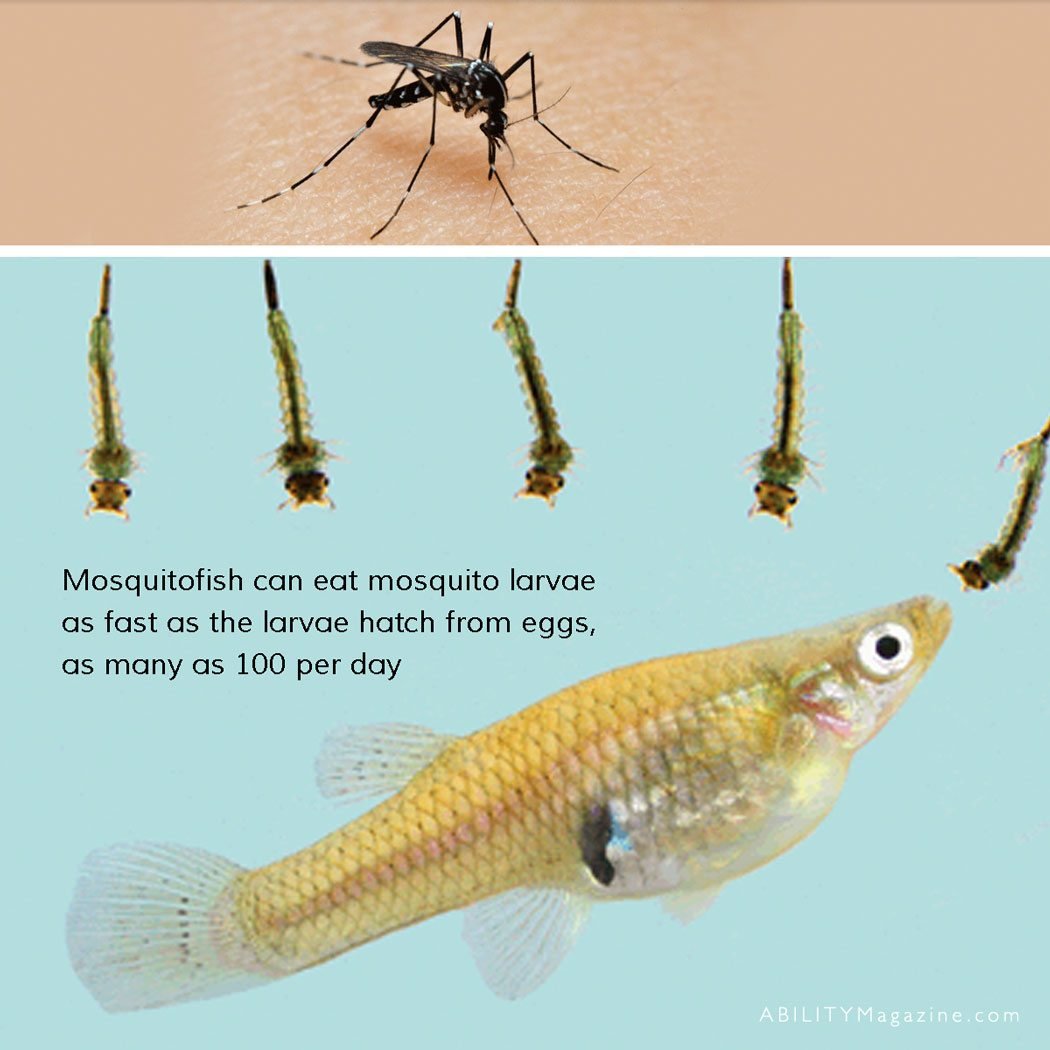
Thousands of mosquito eating fish released into lakes.

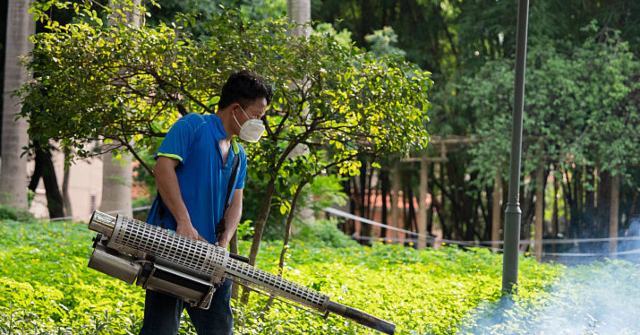
Drones scanning for stagnant water.

$1,400 fines for standing water violations.

7/15 https://t.co/9WwkyyKqbP
Guangzhou launched a real-time mosquito-borne disease map with transmission risk alerts for residents.

This isn't normal outbreak response, it's preparation for something much larger.

8/15 https://t.co/v0H5WCmBCc
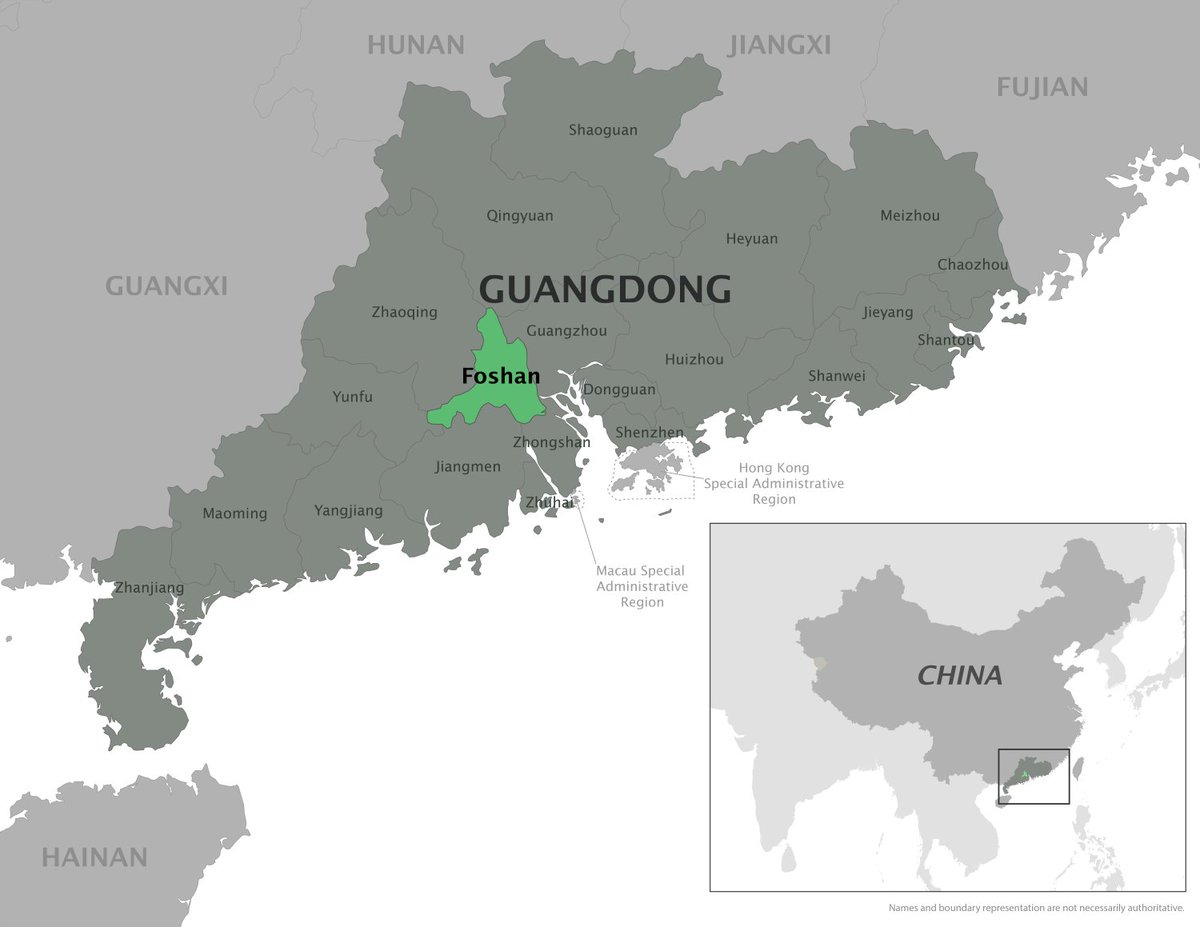
The spread pattern is concerning.

Cases scattered to Guangzhou, Shenzhen, Dongguan, and Zhongshan.

Multiple cities across Guangdong province now reporting infections, showing the virus jumping between urban centers.

9/15 https://t.co/yPxBeouMSG

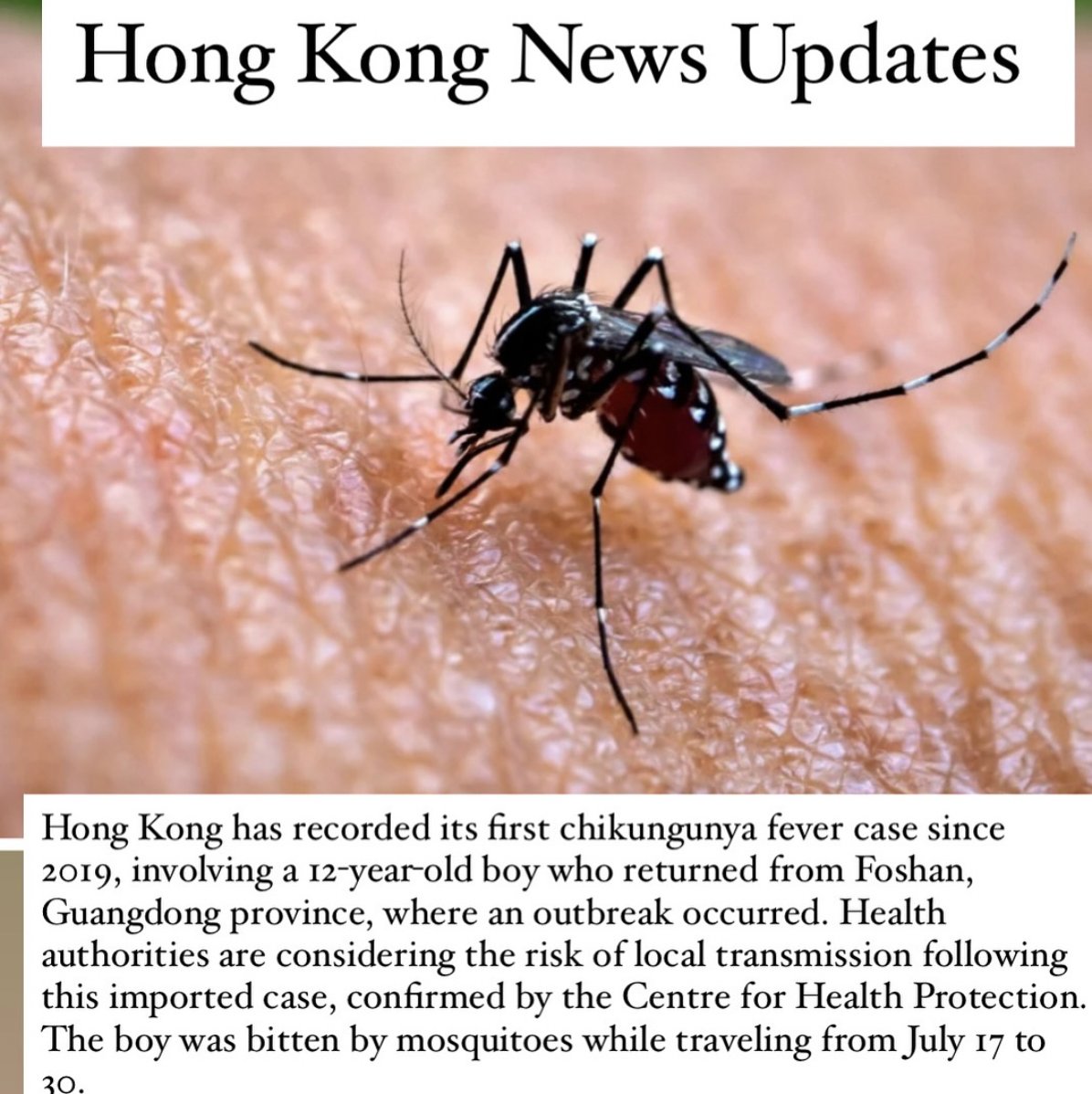
On August 4, Hong Kong reported its first case:

A 12-year-old boy who traveled to Foshan.

The virus has crossed into one of the world's major international travel hubs.

Every flight from Hong Kong could carry infected passengers globally.

10/15 https://t.co/XfFXEGDGM9
What makes this terrifying: chikungunya symptoms can last for months or years.

The joint pain is debilitating, often compared to severe arthritis that never goes away.

There's no cure, no widely available vaccine, and no specific treatment.

11/15 https://t.co/5SSAQztiP0

China's extreme quarantine measures reveal the virus's true threat.

Some neighboring cities imposed 14-day home quarantines for Foshan travelers before withdrawing them.

The playbook mirrors COVID's early days, but the containment logic is fundamentally different.

12/15 https://t.co/DQvRNIWsIg
The US upgraded its China travel advisory to "exercise increased caution."

While new case numbers are declining in Guangdong, authorities warn risks remain.

This suggests the outbreak isn't fully contained despite aggressive measures.

13/15 https://t.co/t7WugPchLh

This outbreak exposes a critical gap in global pandemic preparedness.

As one imported case triggered 7,000+ infections in weeks, imagine what happens when this reaches tropical regions worldwide.

14/15 https://t.co/fIJB8bmaSd
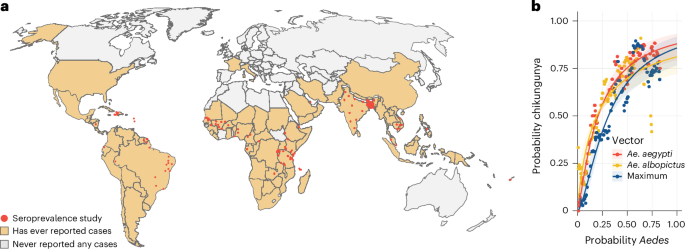
China's COVID-style response to a mosquito virus is a recognition that vector-borne diseases can spread just as explosively as human pathogens.

The question isn't whether chikungunya will spread globally from this outbreak, but how prepared we are when it does.

15/15 https://t.co/kRv9omi2l4